
PPC Agency vs Freelance Google Ads Specialist in Dubai: What UAE Businesses Actually Need
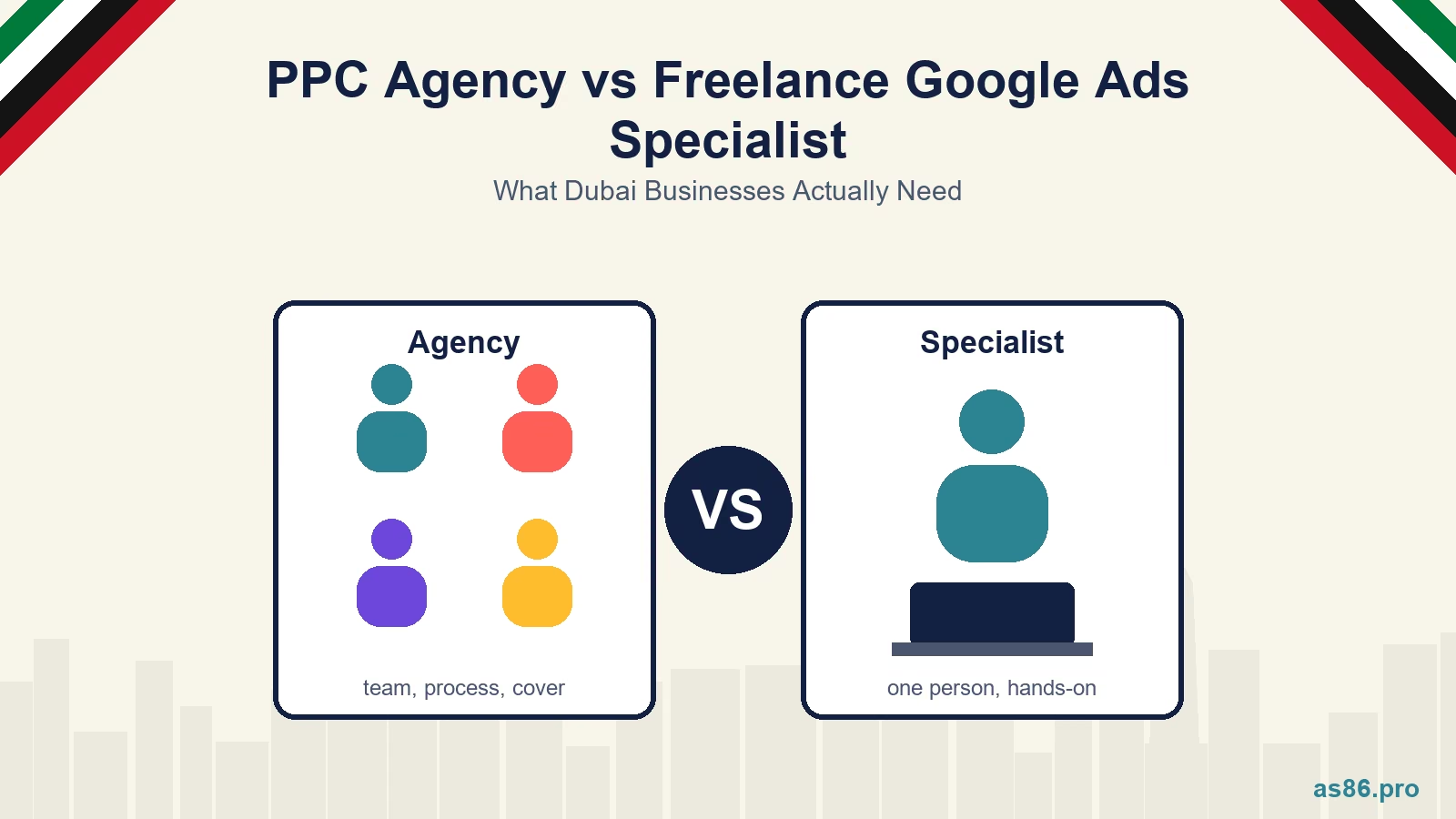
Every Dubai business that starts paying for clicks reaches the same fork in the road. One option is a PPC agency with an office, a sales team and an account manager. The other is a freelance Google Ads specialist who works alone and handles the account personally. Both will tell you they can bring the cost per lead down. Both have a portfolio. And the proposals rarely make it easy to compare them like for like.
I work on the specialist side of that fork, so take my framing with that in mind. I will try to be fair to both models, because the wrong choice is expensive either way: an agency can be the right call, and a freelancer can be the wrong one. This guide covers how each model actually works day to day, what the Google Partner badge does and does not tell you, the pricing models you will see in UAE proposals, the account-ownership rules that protect you whoever you hire, and the questions that separate a good PPC manager from a confident one.
PPC Agency or Freelance Google Ads Specialist: Which Does Your Dubai Business Need?
The short answer: it depends less on the size of your budget than on how many channels you need run at once and who will actually be inside your account every week. Most of the decision comes down to those two questions. The sections below help you answer them for your own business.
How the Two Models Actually Work
The agency model. You sign with a company. A senior person usually runs the sales meeting and the strategy presentation. After onboarding, the account is assigned to an account manager or specialist, often with a team lead above them reviewing the work. The agency brings process: templates for reporting, a structure for audits, holiday cover, and often in-house designers, copywriters and developers for landing pages. The trade-off is distance. The person who sold you the account is often not the person who opens it on a Tuesday morning, and the specialist doing the work may be managing many other accounts at the same time.
The specialist model. You hire one person, and that person is both the strategist and the one building the campaigns, writing the ads, reading the search terms and setting up the conversion tracking. There is no hand-off, so the knowledge of why the account is structured the way it is stays with the person changing it. The trade-off is capacity. A freelancer has a limit on how many accounts they can run well, there is no automatic cover when they are unavailable, and if you need video production or a full website rebuild, they will either subcontract it or tell you to find someone else.
Neither model is better in the abstract. A clinic group running Google Ads, Meta, TikTok and a monthly content calendar across three brands genuinely needs more hands than one person has. A B2B services firm in Business Bay spending most of its budget on search and WhatsApp leads usually needs one sharp person who knows the account inside out.
What the Google Partner Badge Does and Does Not Tell You
Agency proposals in Dubai lean heavily on the Google Partner and Premier Partner badges, so it is worth knowing exactly what they mean. Google's own Partners requirements page lists three categories, checked daily:
- Performance: the company's manager account must keep an optimization score of at least 70%.
- Spend: it must keep a 90-day ad spend of USD 10,000 across the accounts it manages.
- Certifications: at least 50% of its account strategists must hold Google Ads certifications (capped at 100 users), with at least one certification in each product area where campaigns spent USD 500 or more in 90 days.
Premier Partner is a step further: the company must meet the Partner requirements and rank in roughly the top 3% of participating companies in its country, assessed once a year on factors such as client growth, client retention and annual spend.
So the badge tells you a company manages a meaningful amount of spend, keeps its accounts' optimization scores up and has certified staff. It does not tell you whether the person assigned to your account is experienced, whether your campaigns will be profitable, or whether the agency is a good fit for your industry. It also has a quirk worth understanding: optimization score rises when you accept Google's recommendations, and not every recommendation is good for your business. Broad-match expansions and automatically created assets, for example, can spend money on traffic you did not want. A good manager accepts some recommendations and dismisses others for reasons they can explain.
A freelancer can hold the same Google Ads certifications without the badge, because the spend threshold is set at company level. Ask any candidate, agency or individual, to show their current certifications in Google's Skillshop and to explain which recommendations they routinely decline and why. The second question tells you far more than the first.
Pricing Models You Will See in UAE Proposals
I am not going to quote AED figures here, because there is no reliable public benchmark for the UAE and any number I gave you would be a guess dressed up as data. What I can do is explain the three structures you will meet, and what each one rewards.
Percentage of ad spend. The fee is a share of what you spend on media each month. It is simple, and it scales with the work in larger accounts. The weakness is the incentive: the manager earns more when you spend more, whether or not the extra spend is profitable. If you accept this model, ask for a minimum and maximum fee so a budget increase does not automatically become a fee increase.
Fixed monthly retainer. One fee for an agreed scope, regardless of spend. It removes the spend incentive and makes budgeting predictable. The risk is scope creep in both directions, so the proposal should state exactly what is included: number of campaigns, platforms, reporting frequency, landing page changes and call time.
Setup fee plus management. A one-off fee for the audit, rebuild and tracking setup, then a lower monthly fee. This is often the most honest structure for a new or neglected account, because the first month genuinely is more work than the tenth.
Whatever the structure, compare proposals on the same basis: what is included, who does the work, how often the account is actually optimised, and what happens to the account if you leave. Watch for media spend paid through the agency's own billing, with your costs bundled into one invoice. It is not automatically a problem, but it means you cannot see what you actually paid Google.
If you are still deciding how much to put behind paid media at all, my guide to digital marketing budget allocation for Dubai businesses covers how to split a budget across channels before you hire anyone.
Account Ownership: The Rule That Protects You Either Way
This is the part of the decision people skip, and the one that causes the most damage when a relationship ends. Your Google Ads account holds years of conversion data that Smart Bidding learns from. If the account belongs to your agency or freelancer, you lose that history when you leave.
Google's access levels make the right setup straightforward. There are five levels: Email-only, Billing, Read-only, Standard and Admin. Only Admin users can give account access, change other users' access levels, and accept, reject or unlink manager-account connections. So the rule is simple:
- The account is created under your business email, and you hold Admin access. Google itself recommends having more than one administrator, so add a second person from your business too.
- Your agency or freelancer gets Standard access, or links their manager account to yours. Standard access is enough to build and edit campaigns.
- Be careful with manager-account ownership. When a manager account has ownership of your account, its admins can also edit the users and links on your account. That is useful for invoicing set-ups, but it should be a deliberate decision, not a default you accepted during onboarding.
- The same applies to Google Analytics 4, Google Tag Manager, Merchant Center and your Meta Business portfolio. You own them; your provider is a user.
Any provider who resists this setup is telling you something important about how the relationship will end.
When an Agency Is the Right Choice
You need several channels run as one plan. If Google Ads, Meta, TikTok, SEO and content all need to move together every month, an agency's team structure is built for that.
You need production capacity. Regular video shoots, Arabic and English creative in volume, or ongoing landing page development are easier to get from a team than from one person.
You need cover and continuity by contract. Larger organisations, especially those with procurement rules, often need a company with a trade licence, defined service levels and someone to escalate to.
If you go this route, insist on meeting the specialist who will actually manage your account, and ask how many other accounts they handle.
When a Freelance Specialist Is the Right Choice
Search is the main channel. If most of your leads come from Google search, Performance Max and WhatsApp clicks, depth in one platform matters more than breadth across many.
You want the strategist and the operator to be the same person. Every change in the account is made by someone who knows why the account is built that way. This matters most in bilingual accounts, where the logic behind separate English and Arabic campaigns or ad groups is easy to break during a hand-off.
Your tracking needs fixing first. An account that cannot see its WhatsApp clicks, calls and form submissions properly will optimise toward the wrong thing. A specialist who builds the tracking themselves, following a setup like my WhatsApp lead tracking guide with GTM and Zapier, knows what every conversion in the account actually means.
If you go this route, ask what happens when they are ill or travelling, and get the account-ownership setup above in writing.
The Questions to Ask Before You Sign
Use the same list for every candidate, agency or freelancer:
- Who will actually work in my account each week, and how many other accounts do they manage?
- Will I own the Google Ads, GA4 and Tag Manager accounts, with Admin access?
- What counts as a conversion in your setup, and how do you track WhatsApp and phone leads?
- Which Google recommendations do you usually decline, and why?
- How do you handle Arabic and English search terms in the same account?
- What does a monthly report contain, and will you show me the search terms report itself?
- What is the notice period, and what do I receive when the contract ends?
Listen for specifics. "We optimise daily" is not an answer. "Every week I review the search terms report, add negatives, check the conversion actions are firing and adjust bids on the campaigns that are over target" is.
For a picture of what that weekly work can look like on a real account, the Ezee Hire Google Ads case study walks through the structure, tracking and optimisation behind it. And if you are still deciding whether Google is even the right first channel, read Google Ads vs Meta Ads for UAE startups before you hire for either.
What to Do This Week
- Check who owns your current Google Ads account and who has Admin access. If it is not you, fix that first.
- Write down which channels you actually need managed in the next six months. One or two points toward a specialist; four or five points toward an agency.
- Ask every candidate the seven questions above, in writing, and compare the answers side by side.
- Ask for a short audit of your current account before signing. How someone reads your existing data tells you how they will manage it.
Frequently Asked Questions
Next Step
If you want a second opinion on your current account or on proposals you have received, I am happy to review them with you, including the ownership and tracking setup. See how I work on my Google Ads and PPC management service page, or send me a message on WhatsApp.
Related reading:

Written by Amir Sibaee
Google Ads & Media Buying Specialist · SEO/SEM · Marketing Automation ·...
More about Amir →Related Reading
-
 RSA Search Term Categories Dubai 2026: Cut Wasted PPC Spend in UAE
-
 10 AI Prompts for Google Ads That Work in Dubai: UAE Industry Copy Guide 2026
-
 EN & AR in Google Ads: Separate Campaigns vs Ad Groups, and Broad vs Phrase Match (Dubai, 2026)
-
 Google Ads AI Max Upgrade: What Changes in September 2026, and When Dynamic Search Ads Follow
Want this done for your business? See my Search Engine Marketing services in Dubai.
Latest Posts
-
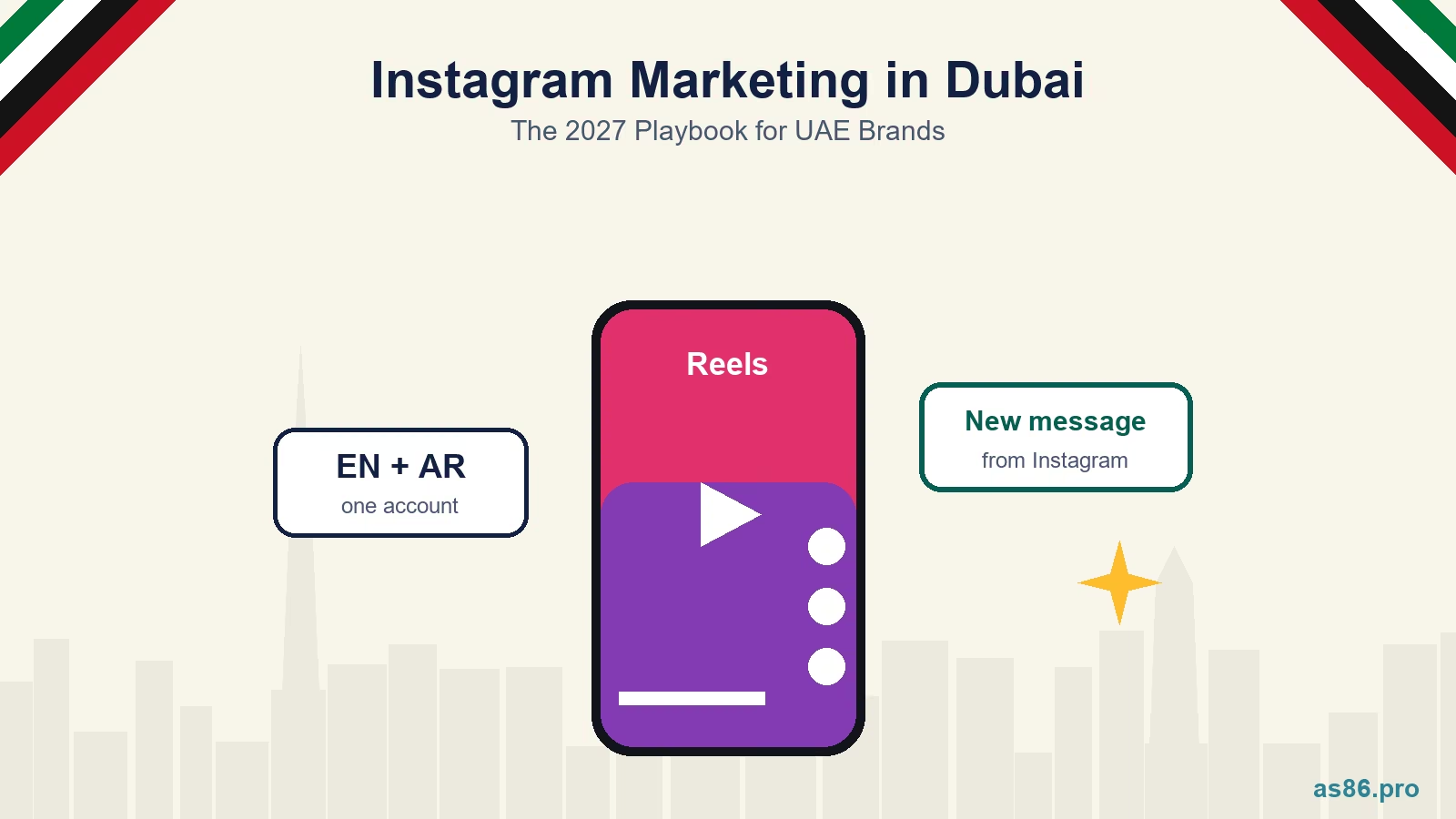 Instagram Marketing in Dubai: The 2027 Playbook for UAE Brands
-
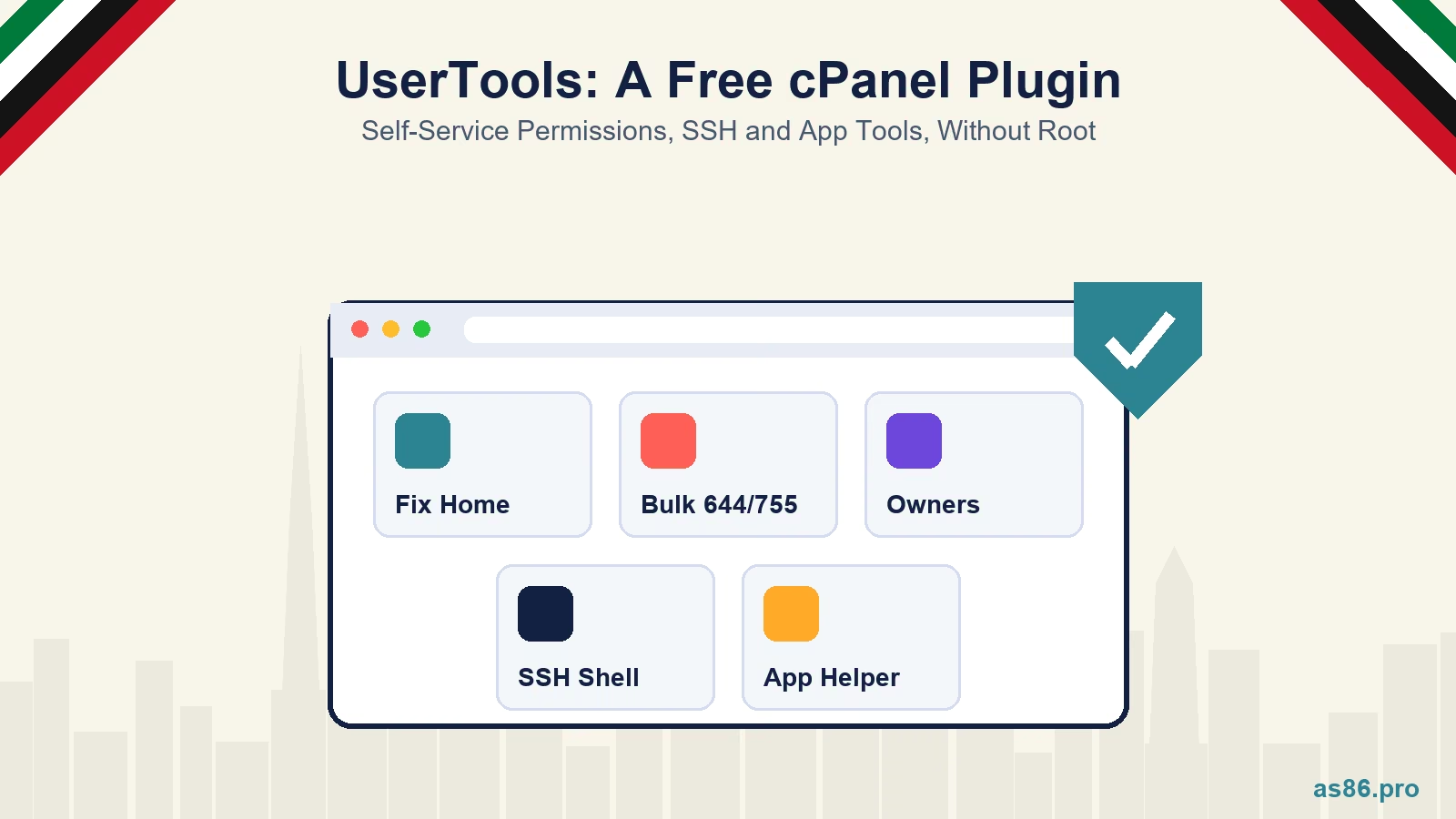 UserTools for cPanel: A Free, Open-Source Plugin That Lets Users Fix Permissions and SSH Access Without Root
-
 OpenAI Ads Are Now Open in the UAE: What ChatGPT Advertising Costs, Who Qualifies and How to Start
-
 ChatGPT Custom GPTs: Personal Accounts Can't Build New Ones. What to Do With the GPTs You Already Rely On
-
 WhatsApp Service Messages Become Chargeable on 1 October 2026: What UAE Businesses Need to Do Now
Get a Growth Plan, Not Just a Quote
Seeking expert digital marketing, web design, or graphic design in the UAE? Let's discuss your project and deliver tailored solutions for measurable growth.
Book Free Consultation